

All about the second-hand market: a guide for local authorities
The second-hand sector: a major local challenge
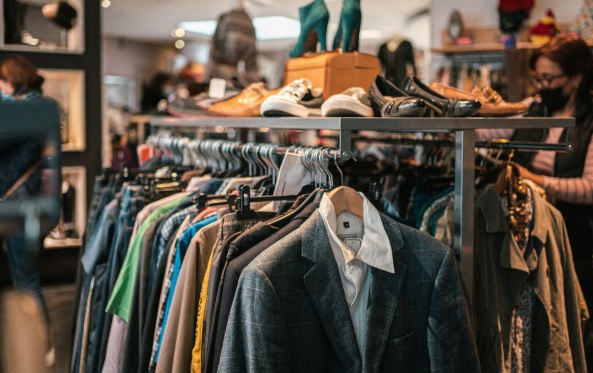
Second-hand products (clothing, household linen, footwear) are pre-owned articles acquired by another person for the same use.
Buying second-hand extends the lifespan of clothing and footwear, pushing back the moment when they become waste.
As a local authority, you have a key role to play in developing this sector in your area.
The second-hand market in figures (2024)
The second-hand market is booming and has strong local potential!
7.3 items on average
purchased second-hand by French people
Over one-third of French people
have already bought second-hand items
31% of second-hand buyers
aim to buy used rather than new wherever possible
58.6% of clothing and footwear collected and sorted
are considered suitable for re-use
Understanding the second-hand market
The second-hand market gives products a second lease of life without transforming them. It should be the preferred first option in managing waste.
The second-hand sector extends the service life of products through a range of diverse channels:
- Resale between individuals
- Thrift stores and charity shops
- Online platforms
- Associations and social integration channels
Reasons to get involved as a local authority
Environmental benefits
- Less wasteand lower associated management costs
- A smaller carbon footprint for your area
- Conserving natural resources
Social and economic benefits
- New local jobsin second-hand and integration structures.
- Greater access to clothingfor all members of the community
- A bigger social and solidarity economyin your area
- In line with public expectationsfor more responsible consumer practices
Regulatory benefits
- Compliance with your obligationsin terms of waste prevention
- Contribution to nationalwaste reduction targets
- Staying one step ahead of regulatory changes(AGEC act)
Your role in the sector
As a local authority, you can take action on several levels:
- 1. Make collection easier
• Provide voluntary drop-off points
• Sign an approval agreement with Refashion to receive financial support
• Provide local information on collection points - Develop the local second-hand market
• Support local second-hand businesses (thrift stores, resale stores, social integration structures, etc.)
• Organise events (used clothing sales, second-hand markets, etc.)
• Include second-hand in public procurement - Raise awareness among the local community
Conduct communication campaigns on sorting and second-hand goods
Organise educational initiatives in schools
Promote local actions

In practical terms, what support does Refashion provide?
Reuse and Repurposing Fund
For players in the Social and Solidarity Economy (SSE)
Funding complementary initiatives
Calls for projects targeting all eligible players in the industry for the development of the second-hand market
Besoin d’aide ?
Une question ? Un besoin ?
Consultez notre FAQ dédiée ou contactez- nous du lundi au vendredi de 9h à 17h :
James Bourdon : j.bourdon@refashion.fr
07 88 76 36 72