


To continue receiving eco-design news and resources
Your registration has been processed
Thank you for your confidence
January 9, 2020
Accompanying the consumer to extend footwear life duration
Project developers: Product development / Quality Partners: Consumers / Shoemakers
Context and description
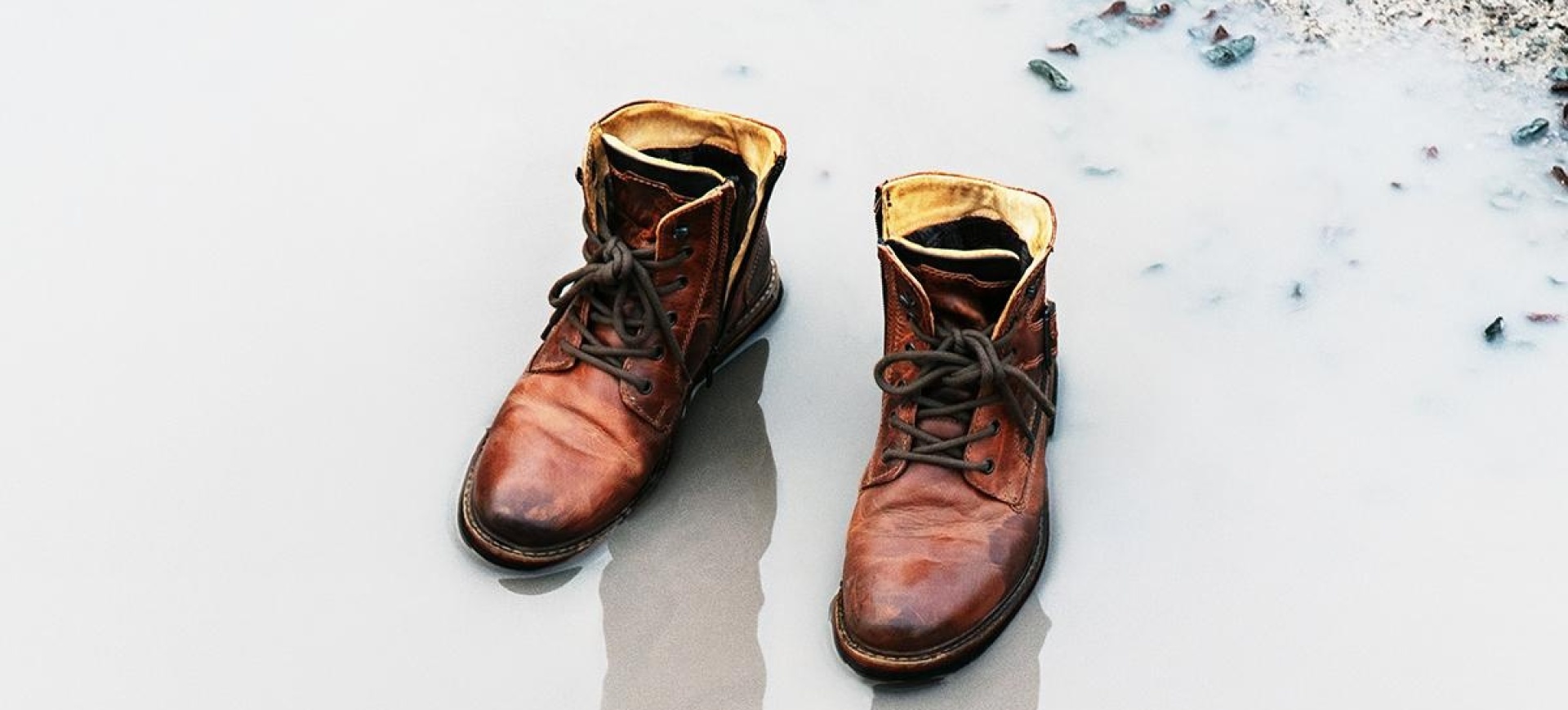
The life duration of footwear products depends on numerous parameters such as the quality of materials, the quality of assembly but also the way in which the consumer cares for the product.
In order to extend product life duration, organisations can play an awareness-raising and information role with consumers focusing on the importance of product care and the care solutions available.
IMPLEMENTATION
Simple
Complexity of implementation
Average
Estimated economic gain
Low
Human means
6 months 1 season
Implementation timeframes
STAGES OF IMPLEMENTATION
Try it! : Follow the sheet step by step and have a go!
1
Organise an internal meeting to define a consumer awareness-raising strategy on the importance of good product care. To be effective, it is important that awareness-raising occurs via varied communication channels (labels on products, communication operations in shops, partnerships…).
2
Ensure that the composition of the shoe is clearly detailed on the product with the help of the pictogram (leather, coated leather, textile and other materials) in order to enable the consumer to adapt product care to its composition.
3
On the brand's website, create a space dedicated to product care in order to extend footwear life duration (cleaning, polishing and waterproofing for example).
4
On the brand's website, create a space where consumers can share their care, repair and upcycling tips. Manage this space (organise challenges for example).
5
On the website (and on social networks), offer repair, care, upcycling or personalisation tips which are easy to implement.
6
Create a partnership with a shoemaker to enable consumers to repair or transform damaged products.
7
Conduct a customer survey to understand the most frequent points of wear and tear on products.
8
On the website, orient repair tips on the basis of customer survey feedback on brand products.
9
Propose a reconditioning service to consumers to give their products a second lease of life. This reconditioning service can be a "sub-service" of a rental model for example (See Tool 1)
10
Conduct internal reporting for product reconditioning (number of products, type of reconditioning...) and assess service profitability.
Key indicators
- Number of care / repair /upcycling tips shared on the brand's website.
- Creation of a partnership with a shoemaker.
- Putting in place a reconditioning service.
Watch point
Informing and raising awareness among consumers is not one of the objectives of the brand.
It can however use this support as a means of communicating on its eco-design commitments.
For more information
Tool 1 : Atelier Bocage
They’ve done it !
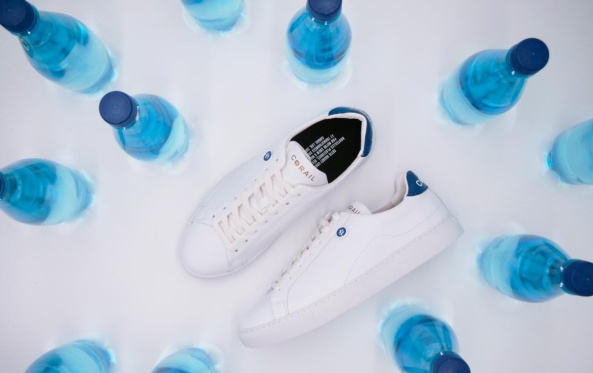
Corail : Marseille 21 trainers
"Failing to have found a used plastic bottle supply chain that suited us, we created it"
Eram Group: towards a circular footwear's model
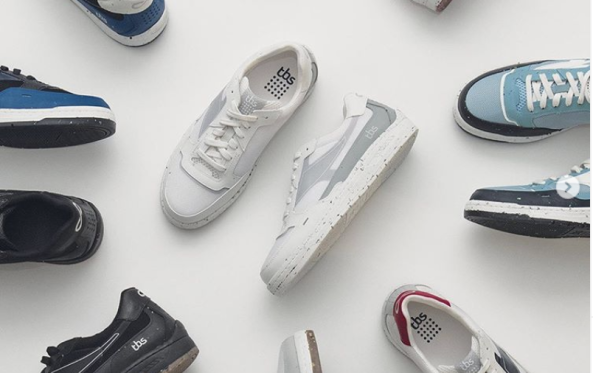
Tbs: RESOURCE, the circular footwear
Footwear that closes the loop!
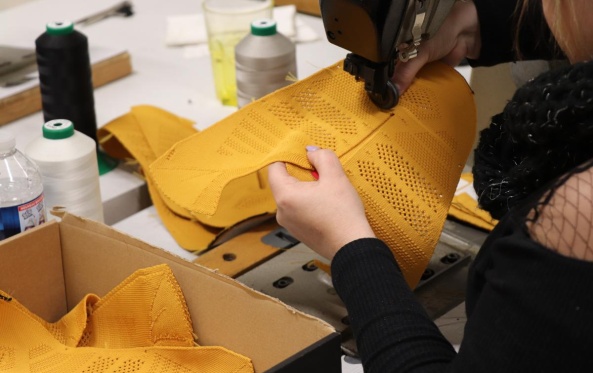
Insoft: ector, the trainer eco-knitted from recycled polyester
The first eco-knitted trainer in France