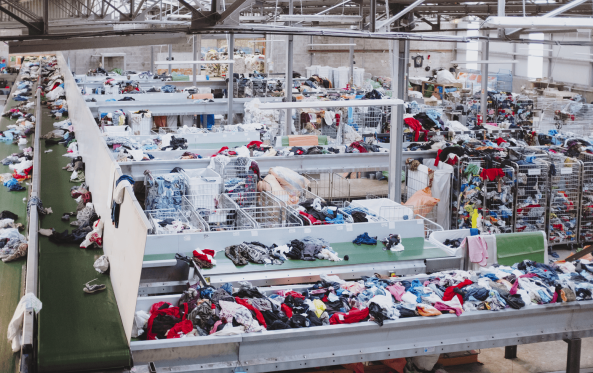


Plastic-based ‒ or ‘synthetic’ ‒ textiles are woven into our daily lives in Europe. They are in the clothes we wear, the towels we use and the bed sheets we sleep in. They are in the carpets, curtains and cushions we decorate our homes and offices with. And they are in safety belts, and car tyres, workwear and sportswear. Synthetic textile fibres are produced from fossil fuel resources, such as oil and natural gas. Their production, consumption and related waste handling generate greenhouse gas emissions, use non-renewable resources and can release microplastics. This briefing provides an overview of the synthetic textile economy in Europe, analyses environmental and climate impacts, and highlights the potential for developing a circular economy value chain.
1 juin 2021