

Parcours pédagogique sur l'impact environnemental
Accélérez
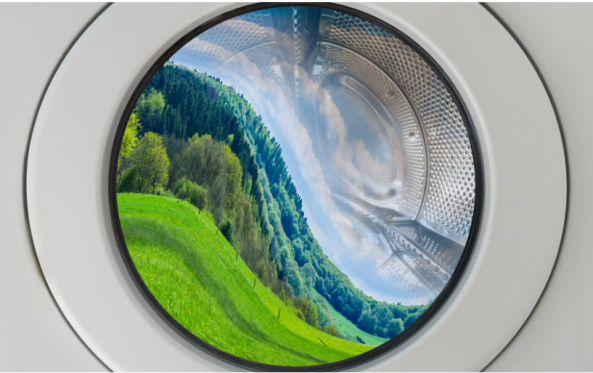
Les microfibres rejetées par nos lave-linges perturbent la santé d’organismes marins
Dans le cadre du projet européen Interreg Preventing Plastic Pollution, des scientifiques de l’Ifremer, de l’Université de Bretagne Occidentale, du CNRS et de l’Université du Mans étudient les effets des microfibres synthétiques et naturelles sur le métabolisme des huîtres.
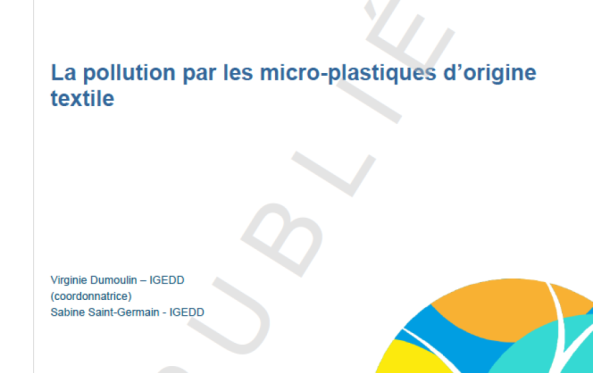
La pollution par les micro-plastiques d’origine textile
Le champ de ce rapport couvre la pollution causée par les microparticules solides d’une taille inférieure à 5 mm, non solubles et non biodégradables, composées de polymères bio-sourcés ou non, émises par les produits d’origine textile destinés à l’habillement et à l’équipement de la maison.
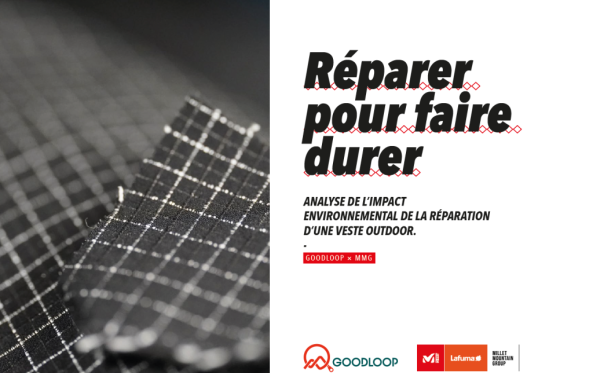
Réparer pour faire durer - Analyse de l’impact environnemental de la réparation d’une veste outdoor
L’objectif principal de cette étude est d’analyser l’impact du remplacement d’une fermeture à glissière sur l’impact global d’une veste de protection KAMET LIGHT HOMME afin de valider dans quelle mesure la réparation est une solution plus responsable pour l’environnement.
Fashion on Climate
This report presents an analysis on the fashion industry’s GHG emissions and outlines areas in which players can focus their efforts to meet climate targets.
The fiber bible part 2 : environmental impact of textile fibers – what we know and what we don't know
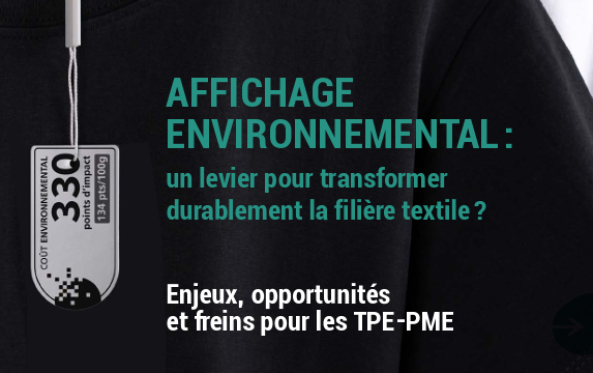
Affichage environnemental: un levier pour transformer durablement la filière textile?
Notre mission, à travers cette étude, est de clarifier, de rendre intelligible, de donner à voir concrètement les perspectives et les écueils, pour que l’affichage environnemental devienne un véritable levier de compétitivité durable et non un frein supplémentaire.
Devenez expert
Release of microplastic fibers from synthetic textiles during household washing
Textile materials are one of the primary sources of microplastic pollution. The washing procedure is by far the most significant way that textile products release microplastic fibers (MPFs). Therefore, in this study, the effects of various textile raw materials (A acrylic, PA polyamide, PET polyester, RPET recycled polyester and PP polypropylene), fabric construction properties (woven, knitted), thickness and basis weight values on MPFs release at different washing stages (pre-washing, soaping/rinsing) were examined separately.

Impact of textile composition, structure, and treatment on microplastic release during washing: a review
This research critically reviewed the influence of textile characteristics, including textile content (fiber composition), yarn construction, material structure, and treatment type, on microplastic release from textile products during washing.
Net Zero Initiative for apparel & footwear
This guidance document aims to quantify a company's positive impact on GHG emissions. We focus here on the contribution of a company's solutions to reduce their clients direct and indirect emissions.
Systematic study of the presence of microplastic fibers during polyester yarn production
Microplastic fibers are shed from synthetic textiles during their user phase, primarily during washing. However, there is little known about their origin, except that they are likely embedded in textiles already since their production. Therefore, we systematically examined the presence of microplastic fibers during the process of yarn production..
Life Cycle Assessment (LCA) of MWool® Recycled Wool Fibers
This study develops an environmental analysis of recycled wool fibers through the Life Cycle Assessment (LCA) methodology, mainly using primary data.
Measuring Fashion
This report encourages actors in the industry to set ambitious, evidence-based environmental impact reduction goals to drive meaningful change to secure a more sustainable future for fashion.
The Great Green Washing Machine Part 2: The Use And Misuse of Sustainability Metrics In Fashion
In this second white paper, we further demonstrate that even the environmental impact of fashion is not being correctly assessed, neither broadly, nor narrowly.