

All About Second-Hand
We explain everything
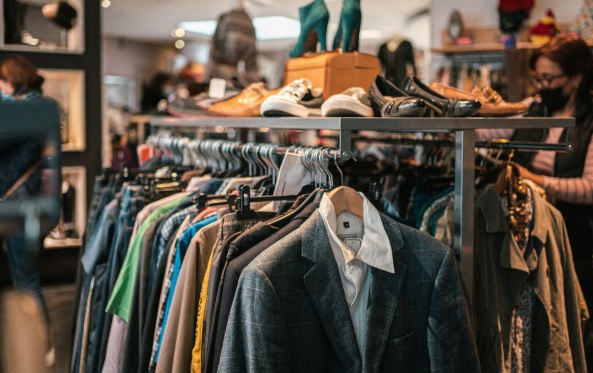
Second-hand refers to all products — clothing, household linen and footwear that, after a first use, are acquired by a new owner for the same purpose as originally intended.
In other words, second-hand helps extend the lifespan of textiles and footwear, and delay the moment when they become waste.
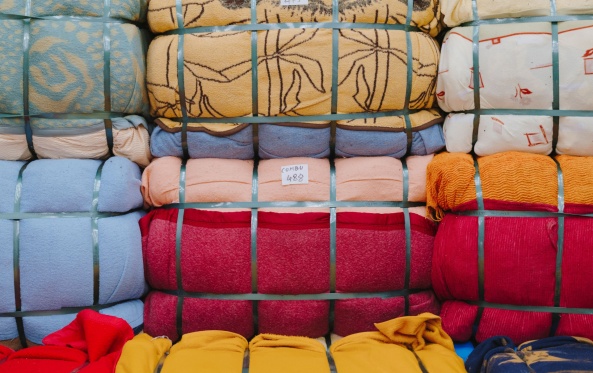
As a collection, sorting or second-hand operator, you are an essential link in this value chain.
Second-Hand in Figures in 2024
Second-hand is a rapidly growing market!
7.3 items purchased
second-hand per person in France
More than 1/3 of people in France
have already bought second-hand products
31%
of second-hand buyers try to replace new products with second-hand products as much as possible
58,6%
of collected and sorted textiles and footwear were deemed suitable for reuse in 2024
Let’s Prioritize Second-Hand
Second-hand is the first lever to prioritize in order to reduce waste and extend product use.
Peer-to-peer resale, brand take-back schemes, thrift shops, charity shops and digital platforms… Second-hand channels are multiplying and making more responsible consumption easier to access.
In 2024, 58.6% of collected and sorted textiles and footwear were deemed suitable for second-hand use, a figure that highlights the considerable potential for reuse within the industry.
Why Develop Second-Hand?
Environmental Impact
- Reducing textile waste
- Reducing the carbon footprint of the textile sector
- Preserving natural resources
Economic Impact
- Creating local, non-relocatable jobs
- Developing a growing industry with strong future potential
- Creating new revenue opportunities
Social Impact
- Developing the Social and Solidarity Economy (SSE)
- Supporting professional integration
What Is the Objective?
To reach 120,000 tonnes reused and reutilised from 2024, including 15% within 1,500 km of the collection point by 2027.
In Practical Terms, What Does Refashion Offer?
Reuse and Reutilisation Fund
Pour les acteurs de l'Economie Sociale et Solidaire (ESS)
Financing of Complementary Actions
Calls for projects to develop second-hand for all eligible stakeholders in the industry.