

Everything you need to know about the collection of used textiles and footwear
Collection is the first step in an effective circular economy.
As a player in the public waste management service, your local authority has an essential role to play!
Discover the challenges, the stakeholders, the types of collection points, and how Refashion supports you.
What are the challenges related to collection?
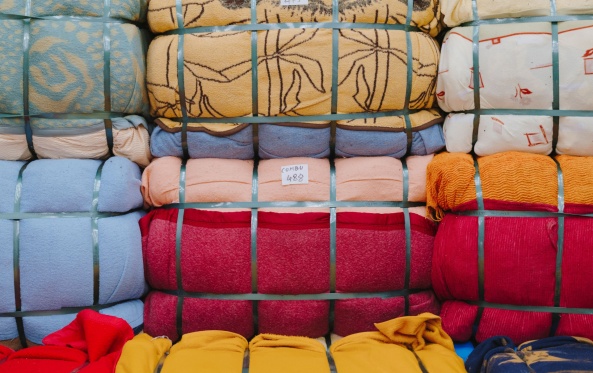
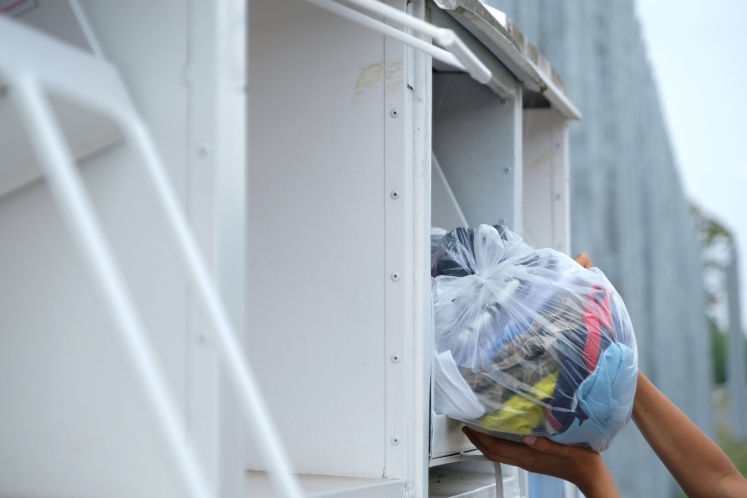
Collection is the starting point for giving used textiles and footwear a second life.
Once dropped off at a collection point, textiles and footwear are sorted and directed towards the best outlet, in line with the waste treatment hierarchy.
Today, too many used textiles and footwear are still thrown in the bin and end up incinerated with no chance of recovery.
There is only one solution: collection! Setting up a collection scheme for used textiles and footwear diverts textile waste from household rubbish in favour of second-hand use, recycling, or recovery.
Bonus: you meet the growing expectations of citizens who are committed to adopting the right sorting habits.
Did you know?
Collection is both a fundamental environmental issue for our sector, and a legal obligation.
From 1 January 2025, all European Union member states are required to set up a textile collection scheme. Multiplying drop-off points makes it easier for people to sort correctly.
Refashion supports you in expanding and optimising your collection network.
Who can collect?
The collection of textiles and footwear is carried out by different stakeholders across the same territory. They are known as Voluntary Drop-off Point Holders.
These include:
- Longstanding players from the social and solidarity economy.
- Private operators.
- Refashion, which can now act as an operational player in certain cases under its new approval.
The different existing collection points
Each collection channel has its own purpose, and they are all complementary: the more diverse the network, the more users are encouraged to sort and drop off their items!
Here are the main collection channels:
Voluntary drop-off points
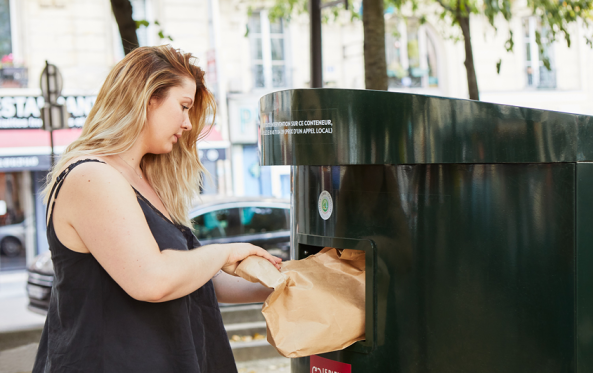
On public roads, often in the form of textile collection bins.
Recycling centers
An increasing number now include a dedicated textile area.
Association premises
Often longstanding partners of the sector.
Shops
Large retailers or independent stores that organise in-store collection campaigns.
Corporate offices
Companies that choose to set up a collection point on their premises for their employees.
Public establishments
Schools, town halls, cultural or sports venues, and more, where a textile bin can be installed on a temporary or permanent basis.
As a local authority, you are a key link in this organisation.
You can take concrete action by contributing to the expansion of the collection network.
Get involved in collection
Need help?
For further information:
Please consult the FAQ or complete the contact form
A dedicated hotline is available Monday to Friday, 9am to 5pm: +33 (0)1 89 16 94 06