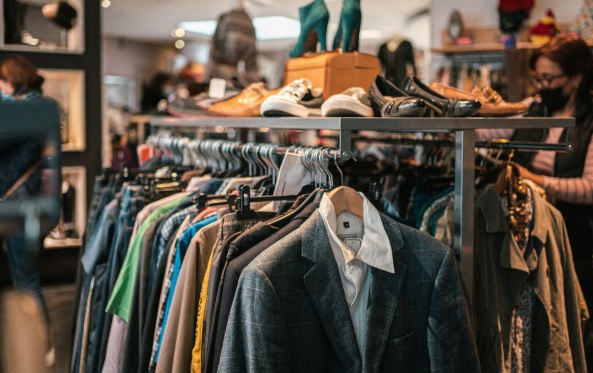
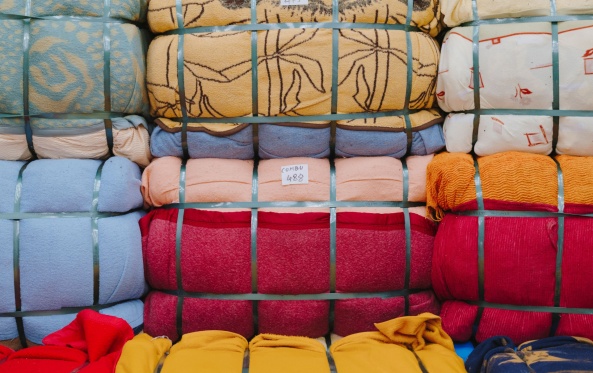


In 2025, the second-hand market for clothing, household linen, and footwear grew by 5% in volume and 6% in value.
These findings, drawn from our latest study on the state of the second-hand market in France, confirm the market’s momentum and its potential to accelerate the transformation of the industry.
Although it accounts for just 10% of the industry’s volumes, second-hand goods sold in France generate 25% of the industry’s carbon savings, while accounting for only 1% of its carbon emissions (Environmental assessment of the CHF industry, Refashion 2025).
To continue reducing the textile industry’s environmental impact, we need to develop an attractive and local second-hand market while addressing several key challenges:
- Improve traceability by strengthening the robustness and reliability of data on flows and market players.
- Enhance the customer experience by offering products that are as high-quality, desirable, and easy to access as new products. In particular, the development of refurbishment should help overcome concerns related to hygiene and make second-hand the first choice.
- Scale up and structure the industry by increasing collection, sorting, preparation for resale, and distribution capacities.
- Bring the ecosystem together by strengthening the complementarity between different business models and cooperation among market players.
The second-hand market is a major lever for changing consumption patterns and building a more circular industry.